
Reducing Costs and Downtime in Oil and Gas with Drones
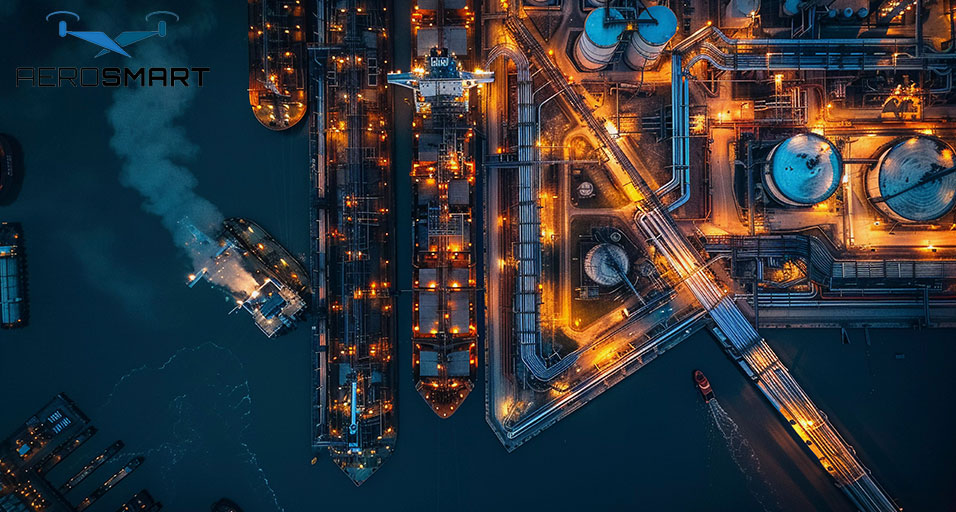
UAE's oil and gas industry is changing pretty fast by
adopting various technologies that enforce all measures of safety, operational
cost reduction, and downtime minimisation during exploration, production, as
well as pipeline management.
Probably the most discussed innovation over the last few
years would be the use of drones to change how critical infrastructure looks
during monitoring and maintenance.
By providing safe, data-driven insights without
requiring any dangerous manual inspection, drones are changing operations,
starting from offshore rigs straight down to pipelines in the middle of the
desert.
In the course of development of these technologies, they
are becoming essential in daily operations in the energy sector. Let us see
more about the technology and how a drone company can revolutionise the
inspections effectively.
Causes for Quick
Smart Inspection Methodologies in Oil and Gas
Oil and gas assets extend across the UAE coastal areas
into very deep deserts. Traditionally, entire infrastructures were
manpower-powered to inspect, and often also needed very complicated logistical
efforts and long shutdown periods.
Scaffolding, helicopters, rope access, or ground-based
teams working under conditions that (by default) are extremely hazardous had
all been the usual mode of operations for such inspection works.
Very slow, expensive, and dangerous system at the
moment. All these derived continual efforts by companies to come up with safer
and better alternatives to minimise exposure to risks and maximise speed, as
well as accuracy in inspections.
Drones are for oil-and-gas inspections in the UAE
because they have transformed how companies do their inspections through
drones, with the main goal of fast inspections without stopping the operation
of heavy machinery in the places where they are installed.
Emerging Challenges in Oil and Gas Inspection
Operations in the industry go on, most of which relate
directly to the maintenance and inspection works. Such problems include:
1. High Operational
Costs
Manual inspection necessitates spending a high amount
for specialised staff and independent support equipment; their costs are mostly
combined as
2. Downtime Not to
Purposes
Financial losses incurred during shutdown due to faults
or scheduled maintenance.
3. Safety and Health
Risks at the Workplace
Every inspection involves risks as it includes areas at
heights, confined areas, and flammable materials.
4. Lack of
Visibility
Traditional systems do not always allow for capturing
accurate information for strategic decision-making or timely value. New
technologies would generate value without putting additional risk or expenses
in place, so an inspection with drones could offer that.
How Aerial
Technology Cuts Down Costs
New drone technology avails during inspection and
maintenance procedures cost advantages at every stage. The companies save money
by avoiding the erection of scaffolding, the flying of helicopters, or the long
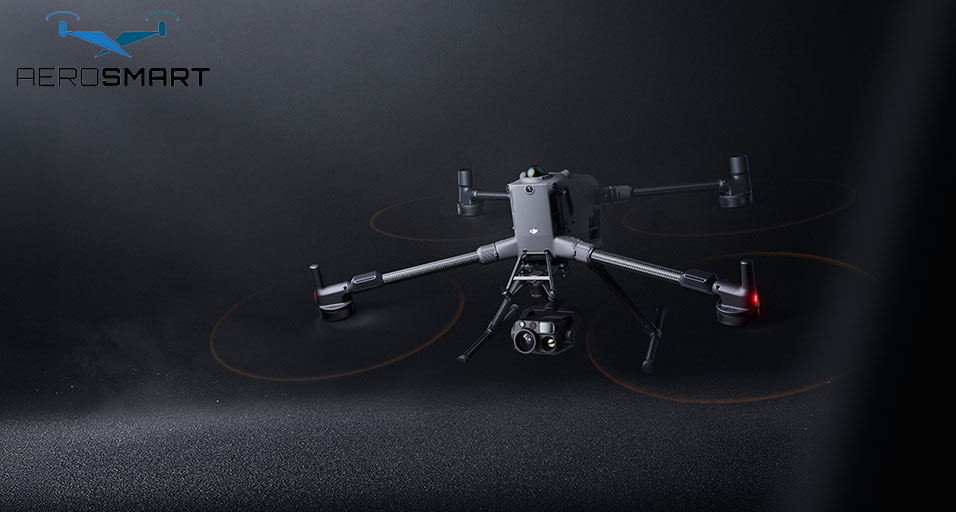
periods of operation shutdowns. Drones with thermal cameras, lidar, or
high-resolution sensors will give remote, clear, and precise information in
just a couple of minutes.
The custom inspection service provider also saves an
absorbed amount of personnel that would otherwise be spent on less important
decisions instead of being at the locus in the field. Any popular drone company
provides equipment which can cover large areas fast, hence eliminating a
large portion of total inspection time.
Minimising Downtime
through Real-Time Insights
One of the major advantages of drone inspections is the
possible early indications of potential problems, which allow for unplanned
downtimes to be prevented. Operators can take immediate action in real-time
from corrosion or leaks detected to structural damage or blockages.
These rapid actions render much more reliable systems
and efficiency on the overall front. Moreover, a fast inspection means more
time to schedule maintenance during shutdowns, all ultimately culminating in
improved operational efficiency.
That is why drones for oil and gas inspection UAE are
rapidly becoming a significant component in integrated workflows across the
Emirates.
Remote Control at
Work
The worker is manually monitored in terms of exposure,
under an offshore, above-ground tank, and high-pressure pipelines, to secure
operations. By merging with advanced long-distance excellent visual and thermal
data, drones can now replace the physical requirements of accessing these
hazardous regions of airspace, above-ground storage tanks, and very
high-temperature pipelines.
● The most dangerous assignments
are entrusted to the drones.
● Fewer accidents on site.
● Minimal usage of risky equipment
like ladders or ropes.
Accuracy of Data and
High Quality Images
The quality and accuracy of data are unpredictable. Data
integrity comes first, toward decisions that are worth oil and gas. In this
regard, drone systems stand shoulder to shoulder with above-ground inspection
because of their performance in clearer results, a great deal of detail with
respect to their outputs, when advanced imaging technology has been used on the
data collection process.
Maintenance teams have become increasingly competent in
recognising problems and prioritising repair work required for immediate
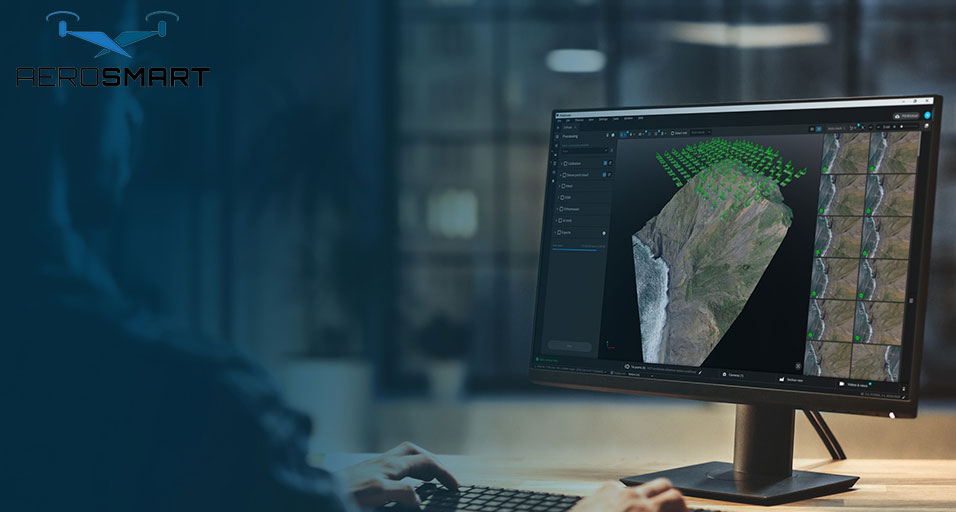
attention. All of this amounts to high-resolution imagery, thermography, 3D
mapping, and installation of methane detection sensors, which are generating
broad visibility into the asset conditions.
The indications from these are that organisations have
taken a proactive approach rather than a reactive one toward unplanned failure.
Uses of Drone
Technology in Oil and Gas Applications
Several oil and gas activities fall within the scope of
usage of drones for oil and gas inspection UAE. The pipelines are traditionally
the most cited applications:
1. Flare Stack
Inspection
Shutdown is unnecessary since active flare stacks can
approach drones whenever necessary for measuring. Internal tanks have their
inspections designed by specially designed confined-space platforms using
drones.
2. Partial Offshore
Rig Surveys
Corrosion and structural problems can be identified as
safety hazards in marine environments. Possible air and methane leakages and
the impact of changes on surrounding ecosystems are monitored.
Future Plans on the
Advancements in Drone Technology
Innovations in the UAE have always extended their
significance into the domain of technology in the industry. It is at such times
that companies find themselves under increased pressure to ensure improvements
in line with the significant oil and gas expansions across Abu Dhabi, Fujairah,
and offshore areas.
The most cited characteristic of
rapidly growing acceptance for using drones is:
● Safe and sustainable
environmental inspection methods
● Part of very ambitious national
digital transformation initiatives
● Bigger needs for predictive
maintenance
● Rapid-response tools needed in
emergencies
● The otherwise sparse, mostly
desert, vast stretches and offshore
Early drone technology has already made it possible for
the firm to enjoy savings in operational costs and future costs, too.
What is next in
Drones in Oil and Gas?
Basic industrial revolution will always accompany new
developments; the features mentioned above will ensure that there will be
further sophistication and streamlining of drones:
● Distance Long totally autonomous
flying
● Predict damages using AI
● Integration as part of pipeline
communications into digital twins
● Methane and gas detection will
be enhanced
It will transform inspections concerning efficiency,
cost reduction, and better regulatory compliance.
Conclusion
At present, therefore, drone technology is no longer
something experimental in oil and gas operations in the UAE, but rather part
and parcel of practical life.
From saving on inspection time, inspection costs, of
course, safety, and unmatched data precision, which is part and parcel of the
region's commitment to innovation and sustainability, businesses will see
measurable improvement in efficiency once drone-based inspections are
integrated into maintenance strategies.
This kind of technology integration also means increased
uptime while enhancing worker safety. Further into the industry's growth,
aerial technology continues to promise as the latest way to achieve excellence
in asset management and operations.
Recent Posts
About
Contacts
My Account
Customer Service
Subscribe to our newsletter for regular updates about Offers, Coupons & more
Follow Us