
DJI Drones for Search, Rescue, and Public Safety
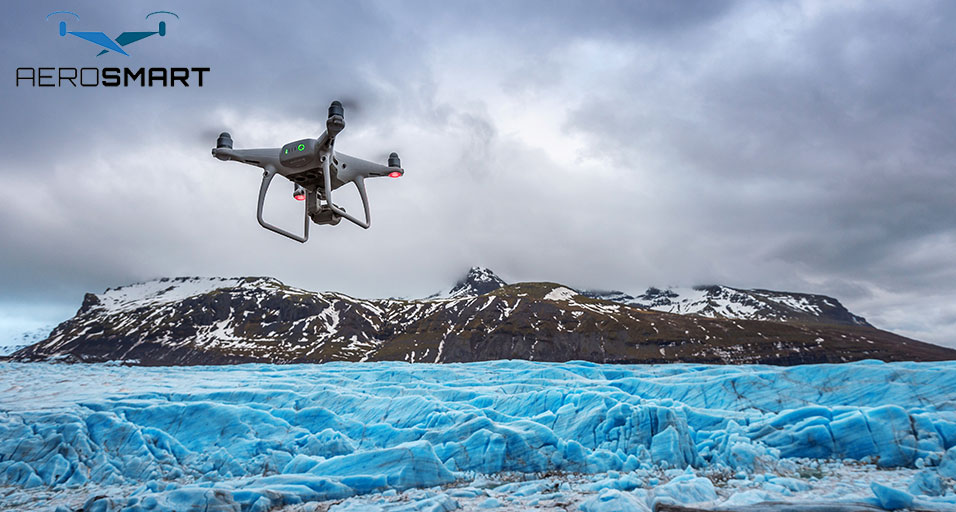
The use of DJI Drones is changing how
search, rescue, and public safety activities are conducted. Speed, accuracy and
live information are the items that may be the difference between success and
delay in critical circumstances. Modernised aerial technology can also enable response
personnel to survey conditions quickly without endangering lives.
Drones have become reliable emergency service devices, and their performance, intelligence, and quick deployment have
been trusted. These Rescue and Public Safety drones assist agencies in
achieving better situational awareness, enhancing coordination, and responding
more efficiently to emergencies, while remaining both safe and operationally
efficient when sourced from an experienced drone dealer.
The Growing Role Of Drones
Drones have made their mark in the
contemporary emergency response. During search and rescue and people-safety
operations, speed, visibility, and real-time data are crucial. Conventional
approaches can be both time-consuming and risky for responders.
This is altered by aerial technology.
Drones give instant situational awareness, enabling teams to be more agile and
precise. This has changed the way emergency management is defined.
Why Drones Stand Out
Drones have gained popularity in public
safety for their stability and sophistication. They get to integrate steady
flight, high-quality images, and smart systems to feature complex surroundings.
They are consistent under pressure so that
they can be assigned critical missions. Reliable technology is a key operating
resource when time is of the essence.
Rescue And Public Safety Drones
Understanding
The drones of rescuing and Public Safety
are created in extreme situations. These are natural disasters, search and
rescue for missing persons, fire rescue, and crowd observation. The aim is to
achieve a quick evaluation and good decision-making.
The drones assist the responders by
enhancing their visibility to greater human heights. They minimise uncertainty
and help teams allocate resources.
Speed And Rapid Deployment
The most critical factor in an emergency is
time. Rescue and Public Safety drones can be called in within a few minutes,
which gives an immediate bird's-eye view of the situation.
This speed enables responders to detect
danger, find people, and devise safe entry routes. Quick deployment can lead to
faster solutions and better results.
Increased Situational Awareness
Situational awareness is a life-saving
activity. Drones also provide a panoramic view for ground teams that they
cannot deliver on their own. It is a view where the movement patterns, terrain
difficulties, and hazards can be seen.
The command centres can effectively make
sound judgments in real time using live video feeds. This level of clarity
makes coordination and accuracy of response better.
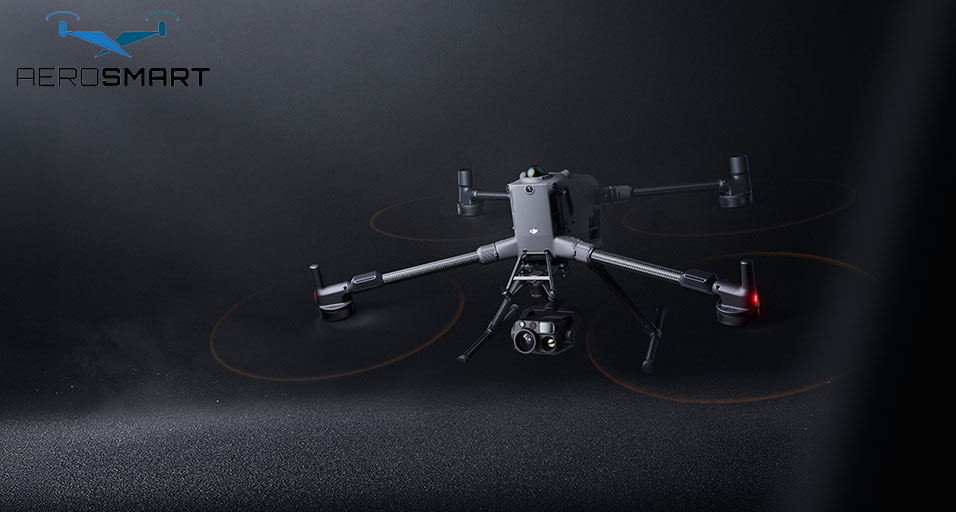
Thermal Imaging Functions
Thermal imaging is one of the most
convenient capabilities of DJI Drones in the rescue business. The heat
signatures are used to search for individuals under poor visibility.
This is very useful, especially when one
would be searching in the dark, thick bushes, or in disaster areas. It enhances
the chance of success of the rescue and wastes time in the search.
Funding Fire And Disaster Response
Drones are used in fire response to
determine the extent of fire spread and locate hotspots. They give crucial
information without subjecting firefighters to dangerous locations.
In the event of disasters, drones can
quickly identify damage. The data can assist with evacuation and resource
allocation. What results is a safer, more organised reaction.
Crowd Surveillance And Civil Protection
Special care must be taken at public
events. Drones help ensure public safety by monitoring crowd movement and
detecting threats.
The visibility of the air will enable the
authorities to act ahead. This minimises accidents and enhances overall safety
without interfering with people's normal operations.
Risk Mitigation Among First Responders
The environments of emergencies are not
predictable. The drones reduce the need for responders to enter unsafe areas
too early.
Above, data collection enables the teams to
evaluate the situation before taking action. This is the method that saves
lives without affecting the operation efficiency.
Real-Time Data Transmission
Live information is needed during a crisis.
Drones relay live images to control teams.
This instant feedback facilitates rapid
decision-making and change. Respondents readily change when circumstances vary.
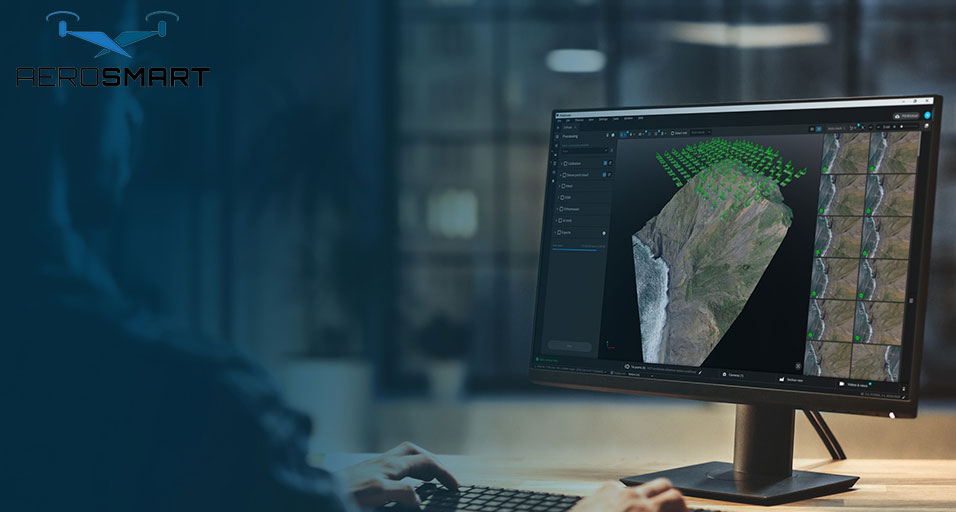
Mapping And Documentation
Proper mapping assists in response and
recovery. Drones can create detailed aerial maps that assist with planning and
documentation.
Such maps will help analyse the incident
and prepare for the future. Consistent data empowers long-term public safety
plans.
Training And Ease Of Use
The emergency teams depend upon ease of
operation. Drones are designed simply, with smart control.
This saves on training time and reduces
operational complexity. The responders can focus on the mission rather than on
equipment management.
Workability In A Poor Environment
In the vast majority of cases, the law
enforcement activities are provided under extreme conditions. Drones must be
capable of working in low-light situations, windy weather and challenging
environments.
Such drones are dependent on pressure.
Dependability also provides a guarantee that missions are not interrupted even
when there is a technical failure.
The Choice Of The Right Drone Dealer
The selection of the drone dealer is
equally important as the selection of the drone. A learned dealer provides
guidance, nurturing and training possibilities.
They also help companies in the selection
of models that can be implemented in their operations. The long-term
performance and adherence are the plus that comes with constant surveillance.
Value Of After Sales Services
The preparedness is the foundation of the
existence of population safety operations. The technical support and service
are offered by a reputable drone dealer.
This support minimises downtimes. It is
also ensuring that the drones are on hand in case of an emergency.
Compliance And Responsible Achievement
The application of drones in the interests
of the population should be in accordance with the rules. Sound advice renders
operations ethical and as per.
These requirements are negotiated by a
trusted dealer. The social responsibility generates credibility and trust in
operations.
Inter Turkey with Emergency Systems
Current emergency responses are being
integrated with drones. This is to do with communication channels and control
rooms.
Integration promotes coordination. It has
the benefit of ensuring that the aerial information fits with major operational
procedures.
Long-Term Value For Agencies
Rescue and Public Safety Drone is an
investment with long term values. They improve the performance of the response
while reducing the operational risks.
These benefits are long-term and are
indirectly compensating. Agencies can be capable of possessing a reliable
instrument that adds to the safety and effectiveness.
Community Impact And Trust
A good response gives confidence to the
masses, as was experienced. Drones allow the agencies to act more swiftly and
openly.
This is productivity, which increases
social confidence. People will be safer when they know that high-technology
equipment can be used to ensure that the population is safer.
What Lies Ahead For Drones In Public
Safety?
The
technology of drones is developing. There will be expanded capabilities,
enhanced autonomy, better sensors, and enhanced communication.
Drones are leading in this change. Their
innovation will help the future of emergency response.
Conclusion
DJI Drones have become a necessity of
contemporary emergency operations. Drones are dependable, fast, and intelligent
enough for critical missions.
Purchased with the help of an appropriate
drone dealer, Rescue and Public Safety drones will become a potent instrument
that saves lives and enhances the effectiveness of the response. Their
contribution to search and rescue, and to general safety, will continue to
expand.
FAQs
What types of disasters benefit
most from drone deployment?
Floods, earthquakes, wildfires,
landslides and hurricanes all benefit from drone deployment. The aircraft
survey damage within hours, locate victims buried under debris, watch for new
hazards and help teams distribute aid without exposing rescue workers to
unnecessary risks.
How long can search and rescue
drones stay airborne during missions?
Most rescue drones stay up for 25 to
55 minutes before needing fresh batteries. Better models fly longer. Teams
bring multiple charged batteries to keep operations running across big search
areas.
Can drones operate effectively
during night-time rescue missions?
They work great at night. Thermal
cameras see body heat that regular cameras miss. Missing people show up clearly
even when it's completely dark outside. That's why rescue crews rely on them
for overnight searches.
How do drones help locate missing
persons in search and rescue operations?
Thermal cameras pick up heat from
people hiding in forests, stuck in smoke or lost in rough terrain. A drone
covers ground in minutes that would take search parties hours to walk. Finding
people faster means saving more lives.
Do emergency services require
special certification to operate rescue drones?
Pilots need commercial licenses in
most places.
What weather conditions can search
and rescue drones operate in?
Rescue drones handle rain as well as
extreme temperature. Models with high protection ratings perform greatly.
Recent Posts

About
Contacts
My Account
Customer Service
Subscribe to our newsletter for regular updates about Offers, Coupons & more
Follow Us